Ciudad Politécnica de la Innovación
Innovation news

A new plasma engine will allow less expensive, more efficient, and longer space missions
Parque Científico de la UC3M
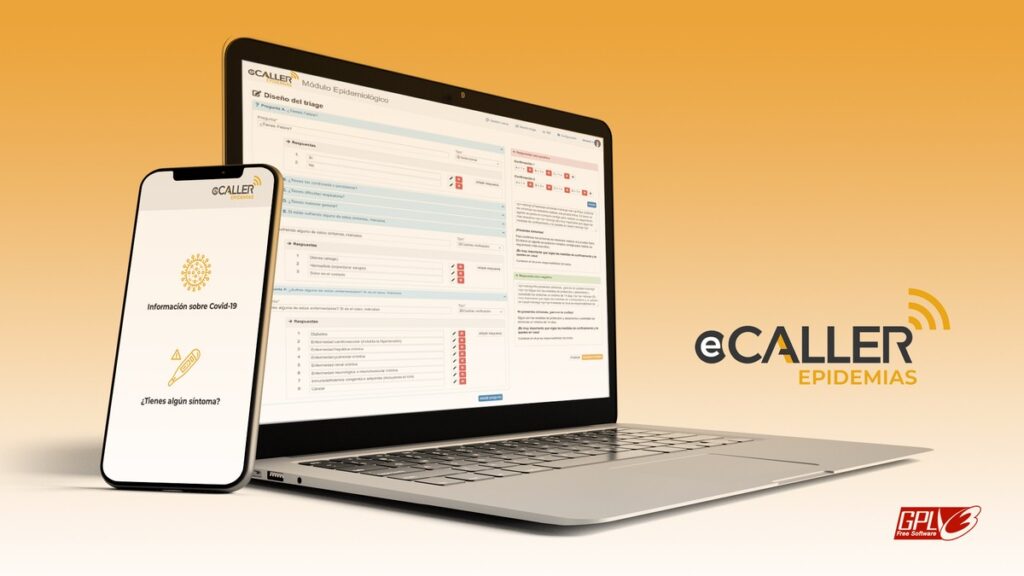
The Malaga-based company Ingenia releases an Open Source application for the fight against COVID-19
Parque Tecnológico de Andalucia

SinFin Energy: technology transfer from the mile of knowledge
Gijón Science and Technology Park
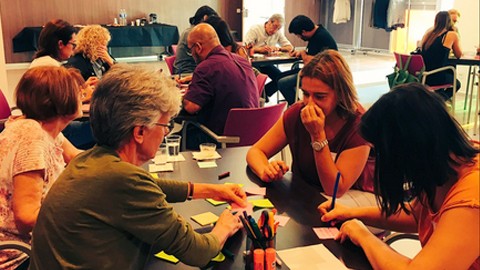

6DLab, from UC3M Science Park applies virtual reality for the Mapfre Foundation
Carlos III University of Madrid Science Park – Leganés Tecnológico

POTATOES WITH HIGH VALUE POTENTIAL ADDED
Clones with a soft consistency, complete disintegration on cooking, low humidity and high flouriness have been identified which can be used for the preparation of mashed potatoes or roasted potatoes Potato,…
PROJECTS "ALLIANCES FOR THE GENERATION OF VALUE" KNOWLEDGE KNOWLEDGE
The Quality Club has developed this project, funded by IMPULSA, an entity of which the PCTG is part, through the Incentives to the Business Development Ecosystem 2016, aimed at promoting alliances between organizations of the Knowledge Mile. The objective is to know the needs and expectations of the organizations located in the Knowledge Mile, the potential niches of collaboration and, in particular, to test the possibility of promoting alliances that generate short-term cost savings, collaborative business niches, or Positive impacts on their environment by developing joint activities in Corporate Social Responsibility, all supported by pilot initiatives based on technological support. ACTIVITIES: 1. Study of the Needs and Expectations of the organizations located in the Mile of Knowledge With the collaboration of the Faculty of Commerce, Tourism and Social Sciences Jovellanos of the University of Oviedo. Download the Studio Download the Study Summary of Results 1. Collaborative pilot project between organizations of the Mile. Taking as a reference the conclusions obtained in the previous study, the Quality Club analyzes different possibilities to implement a pilot project that encourages collaboration between the organizations of the MDC and, with the collaboration of the CTIC Technology Center, develop an advanced tool Management system to respond and facilitate the implementation of the selected pilot initiative: 2.1 Pilot project: Solidary Collection of Food "Mile of Knowledge". With the collaboration of PRODINTEC and the Food Bank in which 25 organizations participated in the Knowledge Mile. See all info and results here. 2.2 Collaborative AppWeb: SUMATE…

SOM BIOTECH LICENSES ITS SOM0226 MEDICINE FOR AMYLOSIDES TO THE NORTH AMERICAN CORINA THERAPEUTICS
SOM Biotech – specializing in the repositioning of drugs to treat minority nervous system diseases – has signed a worldwide and exclusive licensing agreement with the North American company Corino…